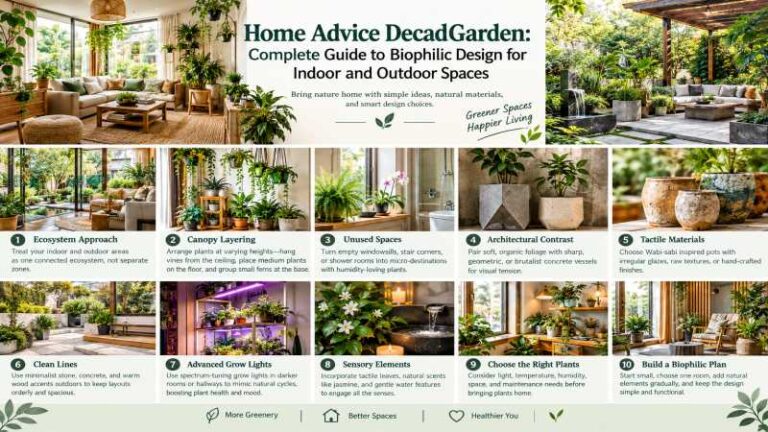
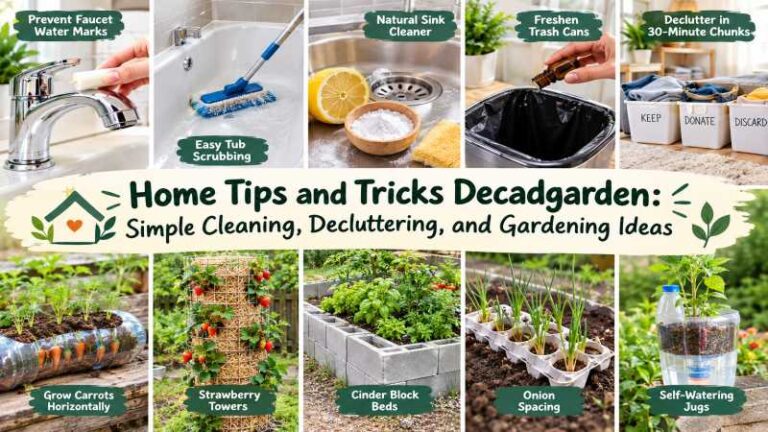
Decadgarden: Complete Yard Decoration Tips, Garden Hacks, and Home Advice for a Beautiful Outdoor Space
Creating an attractive outdoor space does not always require a huge budget, professional landscaping, or complicated construction. With the right ideas, homeowners can transform an ordinary yard into a comfortable, practical, and visually appealing place for relaxing, entertaining, gardening, and spending time with family. The key is to understand how different elements work together and choose improvements that match the space, lifestyle, and available budget.
decadgarden can be a useful concept for homeowners looking for practical inspiration for improving gardens, yards, patios, and other outdoor areas. From simple planting ideas to creative decoration techniques, a thoughtful approach can make even a small backyard feel more welcoming.
This guide explores practical decadgarden yard tips by decoratoradvice, useful home tips and tricks decadgarden, garden planning ideas, decoration techniques, and simple backyard improvements. Whether you have a large lawn, a compact garden, or a small patio, these ideas can help you make better use of your outdoor space.
What Makes a Yard Look Beautiful and Well Planned?
A beautiful yard is not simply a collection of plants, furniture, decorations, and outdoor accessories. The most successful spaces usually have a clear structure. Every feature has a purpose, and the different elements complement one another.
Start by considering how you want to use your yard. Do you want a peaceful garden where you can relax? Perhaps you need an outdoor dining area for guests. Maybe you want a family-friendly lawn, a vegetable garden, or a low-maintenance landscape.
Once you know the main purpose, it becomes easier to decide what belongs in the space.
For example, a relaxation-focused yard might benefit from comfortable seating, shade, soft lighting, and attractive plants. A family yard may need open lawn space, durable surfaces, and clear walking areas. A gardening-focused space could prioritize raised beds, planting zones, storage, and easy access to water.
Planning around function prevents the yard from becoming overcrowded.
Start With a Simple Yard Assessment
Before purchasing plants, furniture, or decorations, spend some time evaluating your existing outdoor space.
Look at the size and shape of the yard. Notice which areas receive direct sunlight and which remain shaded for much of the day. Check where rainwater collects and identify areas that become muddy or difficult to maintain.
Also consider existing features such as:
- Trees and shrubs
- Fences and walls
- Patios and decks
- Outdoor storage
- Walkways
- Drainage areas
- Garden beds
- Outdoor lighting
- Water connections
This assessment gives you a realistic starting point.
You may discover that your yard already has useful features that only need improvement rather than complete replacement. For example, an old patio could look much better after cleaning, repairing, and adding appropriate furniture.
Decadgarden Yard Tips by DecoratorAdvice
One of the most practical approaches to outdoor improvement is to focus on changes that create noticeable results without making the project unnecessarily expensive.
When considering decadgarden yard tips by decoratoradvice, think about balance, comfort, functionality, and visual consistency.
Instead of adding decorations everywhere, select a few areas that deserve attention. A plain corner could become a small seating area. An empty wall could support vertical plants. An unused section of lawn could become a flower bed or vegetable garden.
Another useful strategy is to repeat materials or colors throughout the yard. If your patio furniture uses natural wood, consider incorporating similar tones into planters, fencing details, or garden accessories.
Consistency makes an outdoor space feel intentionally designed.
Choose Plants According to Your Space
Plants are among the easiest ways to transform a yard, but selecting them based only on appearance can create maintenance problems later.
Consider the conditions of your garden before choosing plants. Some species need several hours of direct sunlight, while others perform better in partial or full shade. Soil type, moisture levels, seasonal temperatures, and available space also matter.
Think about mature plant size as well. A small plant purchased from a garden center may eventually become much larger than expected.
When selecting plants, consider using a combination of:
- Flowering plants for seasonal color
- Evergreen plants for year-round structure
- Shrubs for borders and privacy
- Ground covers for difficult areas
- Herbs for useful edible greenery
- Small trees for shade and visual interest
- Container plants for patios and balconies
A mixture of different plant heights can create depth and make the garden more interesting.
Create Layers in Your Garden
Professional-looking gardens often use layers rather than placing every plant at the same height.
Tall plants can form a background layer. Medium-sized shrubs and flowers can occupy the middle section, while shorter plants and ground covers fill the foreground.
This technique helps the garden look fuller without requiring an excessive number of plants.
You can also create visual layers with structures. A trellis, raised planter, low wall, or pergola can introduce height and provide support for climbing plants.
The goal is to create an outdoor environment that feels varied but still organized.
Home Tips and Tricks Decadgarden for Small Yards
Small yards require smart planning because every square meter matters.
Instead of filling a compact yard with large furniture and numerous decorations, focus on multifunctional features.
For example, a storage bench can provide both seating and storage. Vertical planters can add greenery without consuming valuable floor space. Wall-mounted lighting can provide illumination while keeping pathways clear.
Containers are another flexible option. They allow you to introduce plants without permanently changing the garden layout. You can also move them when you want to refresh the appearance of the space.
Mirrors and reflective surfaces can sometimes make enclosed outdoor areas feel more open, although they should be positioned carefully to avoid creating glare or confusing birds.
For small spaces, simplicity is often more effective than excessive decoration.
Design a Comfortable Outdoor Seating Area
A yard becomes much more useful when it includes a comfortable place to sit.
You do not necessarily need an expensive outdoor furniture set. A small table with two chairs can create a useful breakfast corner, while a bench can provide seating along a garden wall.
When selecting furniture, think about weather exposure and maintenance. Materials designed for outdoor use generally provide better durability than indoor furniture.
Consider adding:
- Cushions made for outdoor conditions
- A small side table
- Shade from an umbrella or pergola
- Outdoor lighting
- A weather-resistant storage box
- Potted plants around the seating area
Arrange the furniture so people can move comfortably around it.
A seating area should feel connected to the garden rather than blocking important paths.
Add Shade Where You Need It
Outdoor spaces can become uncomfortable when exposed to strong sunlight for long periods.
Depending on the size and design of your yard, you could add shade using an umbrella, pergola, retractable shade, canopy, or strategically placed plants.
Trees can provide excellent long-term shade, but they require planning because their roots, branches, and mature size can affect surrounding structures.
For temporary or flexible shade, umbrellas and shade sails can be easier solutions.
Think about when you normally use the yard. If you enjoy outdoor meals during the afternoon, position shade where it protects the dining area rather than an unused corner.
Decadgarden Yard Decoration Ideas
Good decadgarden yard decoration does not mean filling the garden with decorative objects. Instead, decorations should support the overall design.
A few carefully selected features can have more impact than dozens of unrelated accessories.
Consider:
- Decorative planters
- Garden lanterns
- Outdoor artwork
- Stone features
- Small fountains
- Sculptural plants
- Decorative screens
- Natural wood elements
- Outdoor rugs
- String lights
Choose decorations that suit the existing architecture of your home.
For example, a modern house may look better with clean-lined planters and simple lighting, while a traditional property might suit natural stone, classic pots, and softer decorative elements.
Use Lighting to Transform the Yard at Night
Outdoor lighting can completely change the appearance and usability of a garden after sunset.
Rather than installing bright lights everywhere, use different types of lighting for different purposes.
Pathway lighting improves visibility along walking routes. Accent lighting can highlight trees, architectural features, or attractive garden beds. Wall lighting can illuminate entrances and seating areas.
Warm, subtle lighting often creates a more relaxing atmosphere than extremely bright fixtures.
Solar-powered garden lights can also be convenient for areas where running electrical cables would be difficult. However, their performance depends on sunlight exposure and the quality of the product.
Remember that lighting should improve the space without creating unnecessary glare for neighbors or people inside the home.
Build a Practical Yard Guide Decadgarden
A good yard guide decadgarden should focus on practical decisions rather than decoration alone.
Start by dividing your yard into functional zones.
You might have:
- A relaxation zone
- A dining or entertaining zone
- A gardening zone
- A children’s play area
- A storage zone
- A walkway or circulation zone
Not every yard needs all six areas. Choose the zones that make sense for your household.
Once the zones are established, keep pathways clear and make sure each area is easy to access.
This approach can prevent a common problem: creating attractive areas that are difficult to use because furniture, plants, or decorations obstruct movement.
Garden Hacks Decadgarden for Easier Maintenance

Beautiful gardens require maintenance, but smart planning can reduce the amount of work involved.
One of the most useful garden hacks decadgarden homeowners can apply is to group plants according to their watering needs.
Plants with similar moisture requirements can share the same garden bed. This makes watering more efficient and reduces the risk of overwatering plants that prefer drier conditions.
Mulching can also help conserve soil moisture and reduce weed growth. Organic mulch may provide additional benefits as it breaks down and contributes organic matter to the soil.
Another useful strategy is to choose plants that naturally suit your local growing conditions. Plants that are well adapted to the climate generally require less intervention than varieties that struggle with local temperatures or rainfall.
Make Yard Decoration Functional
Outdoor decoration becomes more valuable when it also serves a practical purpose.
For example, a decorative screen can improve privacy. A trellis can support climbing plants. A beautiful storage box can hide gardening equipment. A pergola can provide structure and shade.
When selecting a feature, ask yourself two questions:
Does it look good?
Does it improve the way I use the space?
If the answer to both is yes, the feature is likely worth considering.
This mindset can help homeowners avoid spending money on decorations that simply occupy space.
Create a Welcoming Entry Garden
The area near your front door creates an important first impression.
You can improve it with simple changes such as attractive containers, neatly maintained plants, pathway lighting, or a clean and well-maintained walkway.
Choose plants that complement the scale of the entrance. Very large plants can make a small doorway feel crowded, while tiny plants may disappear around a large entrance.
Symmetry can create a formal appearance, while a more varied arrangement can produce a relaxed garden style.
Keep the entrance clear, especially around steps and pathways.
Improve Privacy Naturally
Privacy is an important consideration for many homeowners.
Fences provide an immediate solution, but plants can soften their appearance and create a more natural environment.
Tall shrubs, hedges, climbing plants, and carefully positioned trees can all contribute to privacy.
However, avoid planting large trees too close to buildings, underground utilities, fences, or other structures. Consider mature height and root development before planting.
Layering different plants can also provide privacy without creating a solid visual barrier.
Backyard Hacks for Better Organization
Outdoor clutter can quickly make even a beautiful garden look untidy.
One of the simplest backyard hacks is to create dedicated storage locations for frequently used items.
Gardening tools should have a consistent place. Outdoor cushions can be stored in weather-resistant containers. Children’s toys can be kept in a designated box or storage area.
Vertical storage can be especially useful in smaller yards.
A compact shed, wall-mounted tool organizer, storage bench, or covered shelving unit can help keep equipment organized without consuming too much floor space.
The less visible clutter you have, the easier it becomes to appreciate the landscaping and decoration.
Choose the Right Materials
Outdoor materials must withstand changing weather conditions.
When selecting furniture, decking, paving, fencing, or decorative elements, consider exposure to sunlight, rain, humidity, temperature changes, and regular use.
Natural stone can create a timeless appearance, while concrete pavers offer many practical design options. Wood can bring warmth to a garden but may require regular maintenance depending on the species and finish.
Composite materials can provide an alternative where homeowners want a lower-maintenance appearance.
The best material depends on the specific application, climate, budget, and maintenance expectations.
Create a Low-Maintenance Garden
Not everyone wants to spend every weekend mowing, pruning, watering, and cleaning.
If maintenance time is limited, design the yard accordingly.
Reduce the amount of lawn where practical and replace some areas with planting beds, paving, gravel, or other suitable landscape materials.
Choose hardy plants that match local conditions. Use mulch to reduce weeds and conserve moisture. Install efficient irrigation where appropriate.
Low-maintenance does not mean maintenance-free. Every outdoor space requires some attention, but thoughtful design can significantly reduce the workload.
Make Sustainability Part of Your Yard Design
A beautiful garden can also be environmentally responsible.
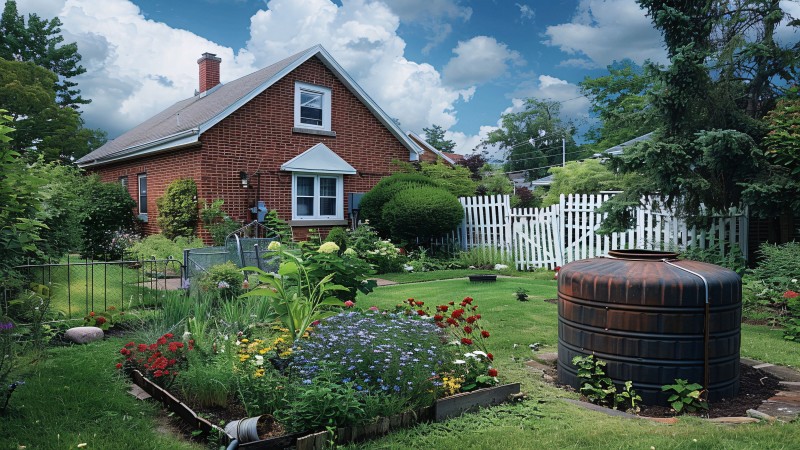
Consider collecting rainwater where local regulations and conditions allow. Compost suitable organic garden waste instead of sending everything to landfill. Choose plants that support pollinators and local wildlife.
Avoid using excessive chemical treatments and apply fertilizers according to actual plant and soil needs.
Native or well-adapted plants can often be a practical choice because they are suited to local environmental conditions.
Sustainability should not feel like an additional task. Many environmentally friendly practices also make gardens easier and less expensive to maintain.
Refresh an Old Yard Without Starting Over
A complete landscape renovation can be expensive, but many yards can be improved gradually.
Start with cleaning and repairing existing features. Remove dead plants, trim overgrown vegetation, clean hard surfaces, and repair damaged furniture.
Then identify one or two high-impact improvements.
For example, repainting a fence, installing new lighting, adding fresh planters, or creating a small seating area may dramatically improve the overall appearance.
Once those projects are complete, move to the next area.
This staged approach allows homeowners to spread costs over time while continuously improving the space.
Avoid Common Yard Design Mistakes
Some outdoor design mistakes are easy to prevent.
One common problem is buying plants without considering their mature size. Another is choosing too many unrelated styles, which can make the yard feel visually chaotic.
Poor drainage is another serious issue. Water should not consistently collect around foundations, patios, or important garden structures.
Overcrowding furniture is also a frequent mistake. People sometimes purchase more seating than the space can comfortably accommodate.
Finally, avoid creating pathways that are too narrow or difficult to navigate.
A beautiful yard should still be easy and comfortable to use.
Create a Seasonal Maintenance Routine
Outdoor spaces change throughout the year, so maintenance should follow the seasons.
In spring, focus on preparing planting beds, checking irrigation, removing winter debris, and assessing plants for new growth.
Summer may require more frequent watering, mowing, pruning, and pest monitoring.
Autumn is a useful time to remove fallen leaves, prepare certain plants for colder weather, and inspect outdoor structures.
Winter maintenance depends heavily on the local climate, but it can be a good time to inspect tools, repair furniture, and plan improvements for the next growing season.
A seasonal checklist prevents small maintenance tasks from becoming major problems.
How to Plan Your Next Outdoor Project
Before starting your next project, write down what you want to accomplish.
For example:
- Improve curb appeal
- Create more privacy
- Add outdoor seating
- Make gardening easier
- Reduce maintenance
- Improve nighttime lighting
- Create more storage
- Add colorful plants
- Make the backyard more family-friendly
Then establish a realistic budget.
Divide the project into essential improvements and optional upgrades. Complete the most important work first.
This prevents the common problem of spending too much on decoration before addressing practical issues such as drainage, damaged surfaces, poor lighting, or inadequate storage.
Final Thoughts on Decadgarden
A successful outdoor space is created through thoughtful planning rather than simply purchasing more decorations. The best gardens combine beauty, comfort, functionality, and manageable maintenance.
The decadgarden approach can inspire homeowners to look at their outdoor areas differently. Instead of treating the yard as an empty space that needs filling, think about how each section can serve a purpose.
Start small, choose improvements that make a genuine difference, and build the design gradually. Use plants that suit the environment, create comfortable areas for people, organize outdoor storage, and add decorative features that complement the home.
Whether you are working with a large backyard or a compact patio, smart planning can turn an ordinary outdoor area into a space you genuinely enjoy using.
With the right combination of landscaping, lighting, seating, organization, and yard decoration decadgarden ideas, your garden can become an extension of your living space. Most importantly, focus on solutions that fit your lifestyle and maintenance preferences. A beautiful yard is not one that looks perfect only on the day it is finished; it is one that remains practical, comfortable, and enjoyable over time.